The Courtyards/Patios of Córdoba: Origins, Must-See Patios and How to Visit Them All Year Round

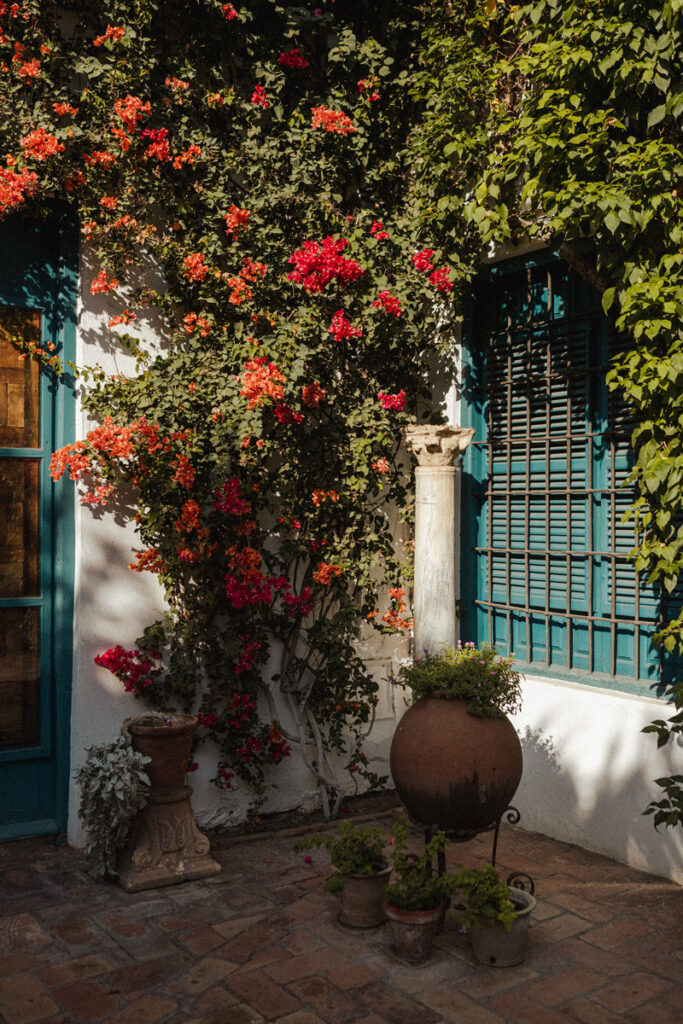
To talk about Córdoba is to talk about courtyards. Not as a decorative feature, but as a way of inhabiting the city — an architecture shaped by climate, community life and everyday beauty. Long before becoming a popular festival and one of Andalusia’s major tourist attractions, courtyards were — and still are — the heart of Córdoba’s homes.

In this article, we explore the origins of Córdoba’s courtyards, the most famous patios, others that are less well known but especially beautiful, and explain which ones can be visited throughout the year. A complete guide to understanding and enjoying them beyond the Festival.

The Origins of Córdoba’s Courtyards

The Cordoban courtyard was born out of a practical need: protection from heat. In a city where summer temperatures easily exceed 40°C (104°F), traditional homes were designed inward. The courtyard acted as a thermal regulator: water, plants and shade cooled the air and distributed it to the surrounding rooms.

This architectural model has deep roots:

  • Roman period: Roman domus were already organised around a central atrium open to the sky.
  • Islamic period: Al-Ándalus refined the concept, incorporating fountains, irrigation channels, aromatic plants and the idea of the courtyard as an intimate, inward-looking and spiritual space.
  • Modern and Contemporary periods: the courtyard became a shared, communal space, especially in multi-family houses, where several households lived around a single central patio.

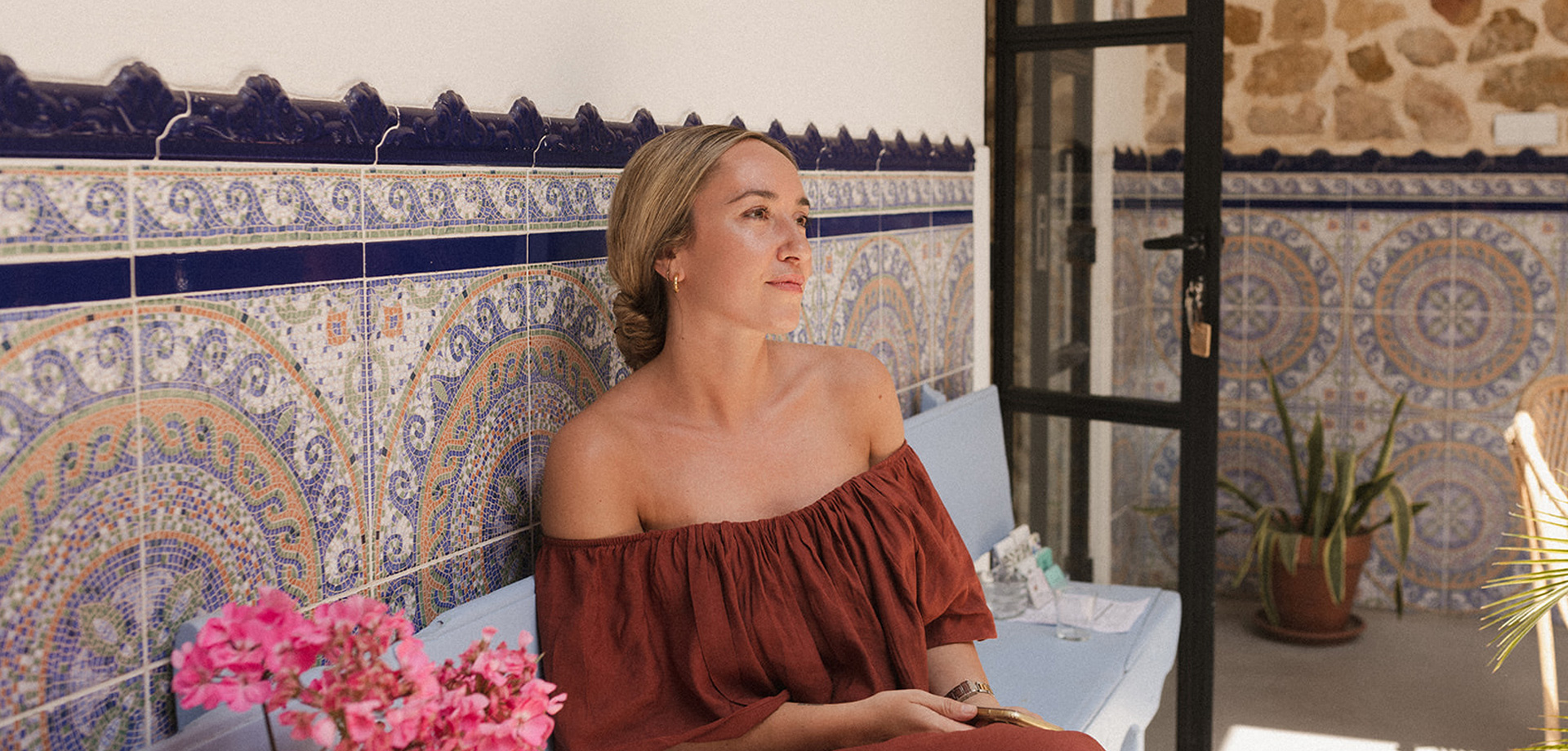
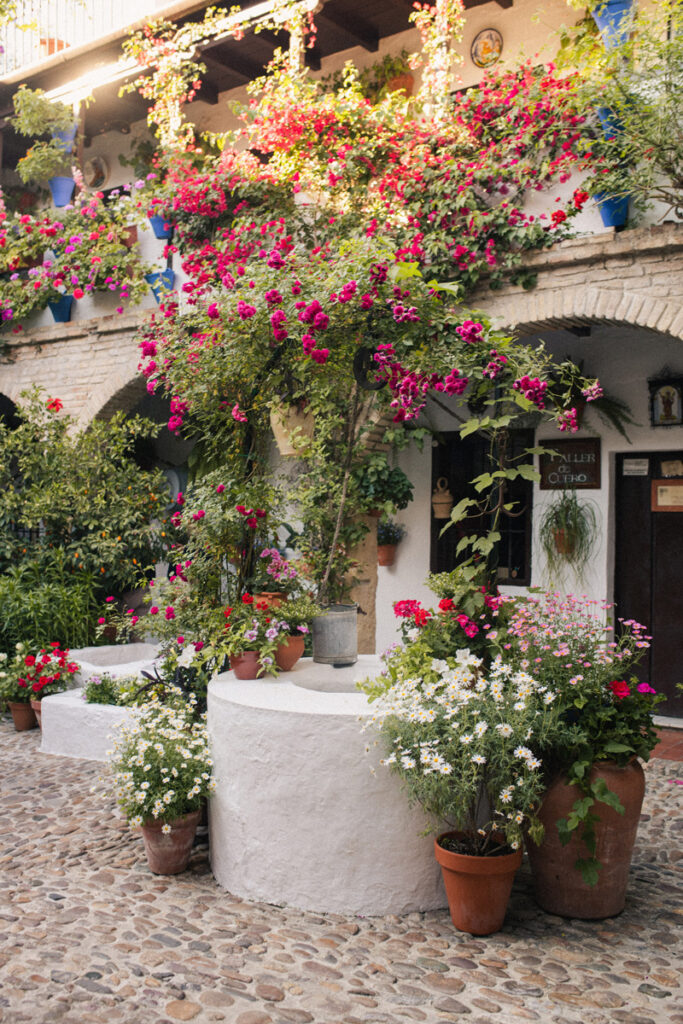
Over time, functionality blended with aesthetic pride: flowerpots, wrought-iron grilles, traditional pebble floors and ceramic tiles began to express the identity of each home.

The Courtyards Festival: When It Takes Place and What It Means

The Córdoba Courtyards Festival is held every year during the first two weeks of May. During this time, owners and residents open their courtyards to the public free of charge, competing in a friendly contest for municipal prizes.

In 2012, the festival was declared Intangible Cultural Heritage of Humanity by UNESCO, recognising not only the beauty of the courtyards, but also the collective effort required to keep this tradition alive.

However, limiting Córdoba’s patios to May would be a mistake: many courtyards can be visited throughout the year, and others are best discovered outside the hustle and bustle of the festival.
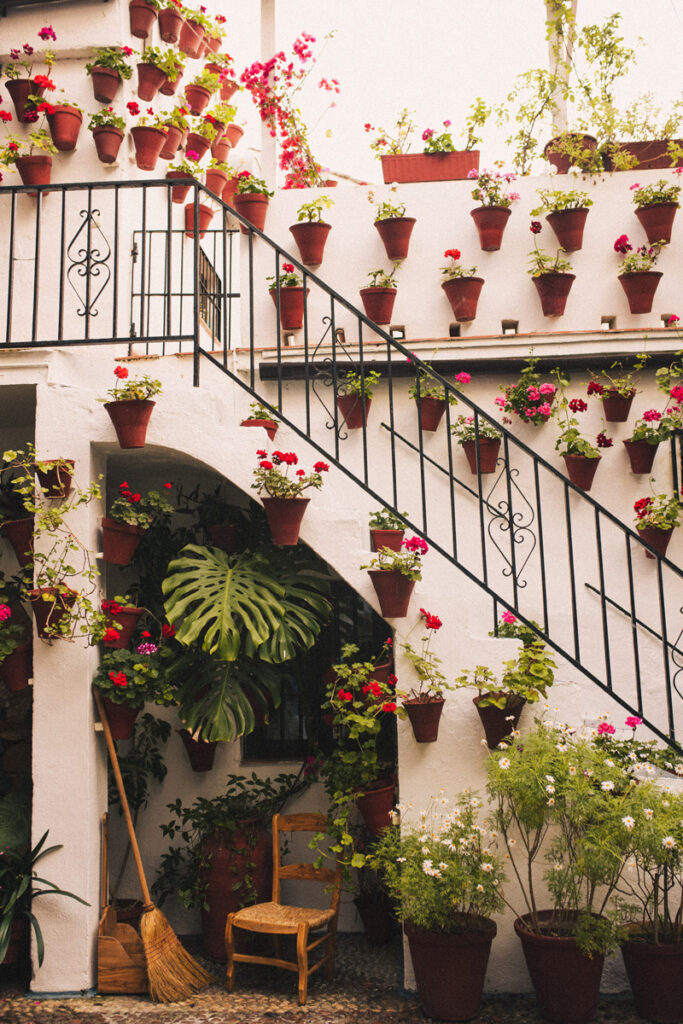
The Most Famous Courtyards of Córdoba (Must-Sees)

These patios are well known, accessible and essential for understanding the tradition.

The San Basilio Courtyards

This is the most emblematic area during the Festival. Streets such as San Basilio, Martín de Roa and Postrera are home to large, lush and meticulously maintained courtyards. Outside May, some can still be visited at limited times or through organised tours.

Viana Palace

An absolute must. The palace features twelve different courtyards, each with its own character (the Courtyard of the Grilles, the Orange Tree Courtyard, the Pool Courtyard, among others). It is open all year round and offers a unique insight into the historical evolution of the Cordoban courtyard from a noble, palatial perspective.

The Andalusian House (Casa Andalusí)

Located in the heart of the Jewish Quarter, this house-museum recreates domestic life in Al-Ándalus. Its courtyard is sober, quiet and deeply evocative. It is open all year round and is often less crowded than other museums.

Lesser-Known but Especially Beautiful Courtyards

Beyond the most famous names, Córdoba hides courtyards that stand out for their authenticity.

Neighbourhood Courtyards off the Main Circuit

In neighbourhoods such as San Lorenzo, Santiago or Santa Marina, traditional shared houses with active courtyards still exist. They are not always open to the public, but can sometimes be visited during cultural events or by prior arrangement.

Courtyards in Lesser-Visited Museums

  • Julio Romero de Torres Museum (Plaza del Potro): an elegant, peaceful courtyard, ideal for a slow, contemplative visit.
  • Fine Arts Museum: located in the same complex, it preserves a beautiful traditional courtyard.

Contemporary Courtyards

Some recently restored homes reinterpret the classic courtyard in a contemporary language: fewer flowerpots, more emphasis on light, noble materials and carefully selected vegetation. They show how the tradition continues to evolve.

Which Courtyards Can Be Visited All Year Round?

Although the Courtyards Festival concentrates the largest number of openings during the first half of May — when many competition patios are open free of charge — it is perfectly possible to visit courtyards at other times of the year, and often without major crowds.

In fact, the official Tourism of Córdoba website explains that outside the festival dates, patios can be visited either through regular access or guided experiences, allowing for a calmer and more detailed visit.

ᐅ You can consult all updated information directly on the official Tourism of Córdoba website: https://www.turismodecordoba.org/the-patios-of-cordoba

Options for Visiting Courtyards Throughout the Year

1. Viana Palace

Located on Plaza de Don Gome, this Renaissance palace brings together twelve different courtyards and a historic garden. It is one of the most complete places to understand the evolution of the Cordoban courtyard and is open every day of the year (except for occasional maintenance closures or public holidays).

2. Free-Access Courtyards

The Tourism of Córdoba website offers a downloadable PDF listing courtyards that are usually open permanently and free of charge, with updated opening hours. This makes it easy to plan a visit outside the competition period without relying solely on May dates.

3. Guided Tours and Experiences

Numerous companies offer courtyard tours even outside peak season. Options listed on the official tourism website include:

  • Professional Association of Tourist Guides (APIT)
  • Córdoba a Pie
  • Córdoba In Tour
  • De Patios
  • Patios de San Basilio

These guided visits are particularly useful if you want to learn about history, plants and architecture while exploring different courtyards, and many are adapted for the off-season.

Sleeping Among Courtyards: Casa Sirfantas

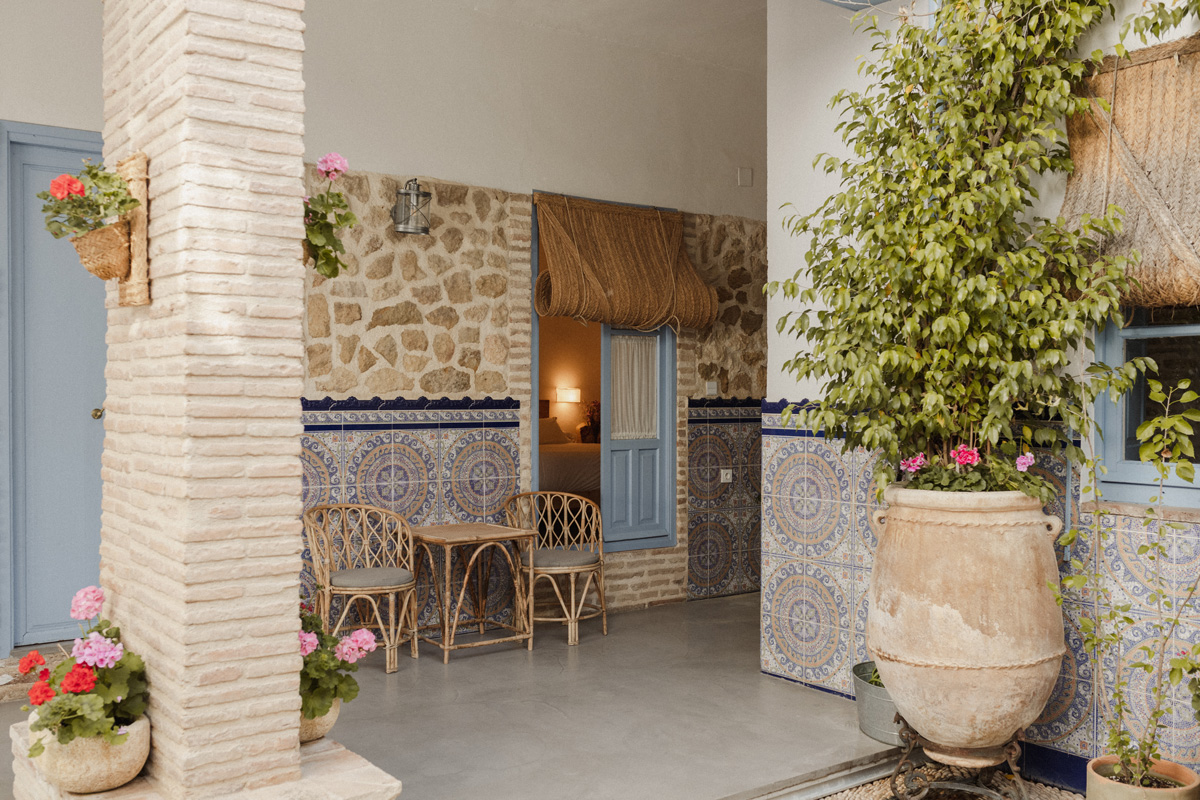
For those who want to experience Córdoba from the inside, staying in a home that understands this architecture is part of the journey. Casa Sirfantas is located in the heart of Córdoba’s Jewish Quarter, just steps from Plaza del Potro, the Julio Romero de Torres Museum and the historic centre.

Its architecture respects the spirit of the Cordoban courtyard, combining tradition with contemporary comfort. From here, it is easy to walk to many historic patios, museums and noble houses, and return afterwards to a calm, welcoming space designed for rest.

A Living Legacy

Córdoba’s courtyards are neither a stage set nor a relic of the past: they are a way of understanding home, climate and shared life. Knowing their origins, understanding which ones to visit and how to do so respectfully allows visitors to experience the city in a deeper, more authentic way.

Beyond the Festival, Córdoba continues to bloom all year round — courtyard by courtyard.